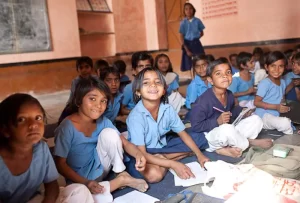
 When we have to deal with health care, poverty, population control, unemployment or human rights, there is no better starting point than giving education to children in need. Education not only empowers children to earn a living, but also helps them grow as responsible citizens and global citizens. The right to education, learning and development (emotional, physical and mental) is a fundamental human right of every child under the age of 18 according to the United Nations Convention on the Rights of the Child (UNCRC). Yet millions of children are deprived of these basic rights for a variety of reasons, including conflict, natural disasters, ethnicity, disability and, most importantly, poverty.
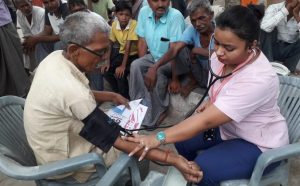 Improving people’s health is generally recognized as an important means of sustaining economic and social development as well as an end in itself. Although India has made rapid progress in the healthcare sector since its independence, NFHS-5 data show that access to healthcare remains a challenge.
Nearly 72% of India’s population still lives in rural areas and has access to about 25% of healthcare infrastructure. On the other hand, an urban slum dweller suffers from poor health, mainly for two reasons. Second, they don’t want to sacrifice a day’s wages to get to the nearest medical facility.
The country’s vastness and geospatial diversity also make it difficult to meet the health needs of the entire population. As the pandemic further underscores the need to strengthen health systems, shifting focus to last-mile deliveries to rural areas, universal healthcare, public health and preventive care has become imperative.
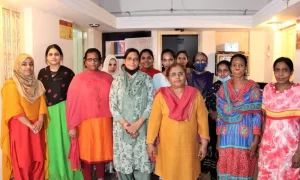 Over the past decade, gender equality has been recognized as important not only for national health, but also for social and economic development. Promoting gender equality and empowering women are key aspects of UNDP’s Sustainable Development Goals. According to the Global Gender Her Gap Index report for 2022, India has improved over the previous year, but India still ranks 136th out of 145 countries.
Communities, societies and countries thrive when women and girls are empowered. It is good for society to give women and girls the freedom and opportunity to be educated, self-sufficient and economically independent, to have adequate health care and to participate in decision-making both within and outside the home. Even as we see women rise to the highest positions in politics, bureaucracy, banking and business, gender bias still prevents girls and women from reaching their highest potential.
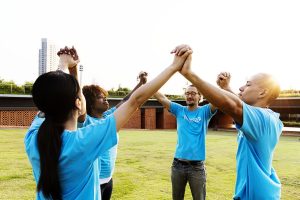 Young people make up more than a third of India’s population and make up the majority of India’s workforce. Countries with young populations like India are better able to reap the demographic dividend if they qualify for youth and are fit for employment. It is important that the energies of disadvantaged youth are properly channeled to support economic growth and nation-building.
A person’s livelihood refers to their “means of securing the basic necessities of life”. Livelihood is defined as a set of activities essential to everyday life that are conducted over one’s life span. Such activities could include securing water, food, fodder, medicine, shelter, clothing.